


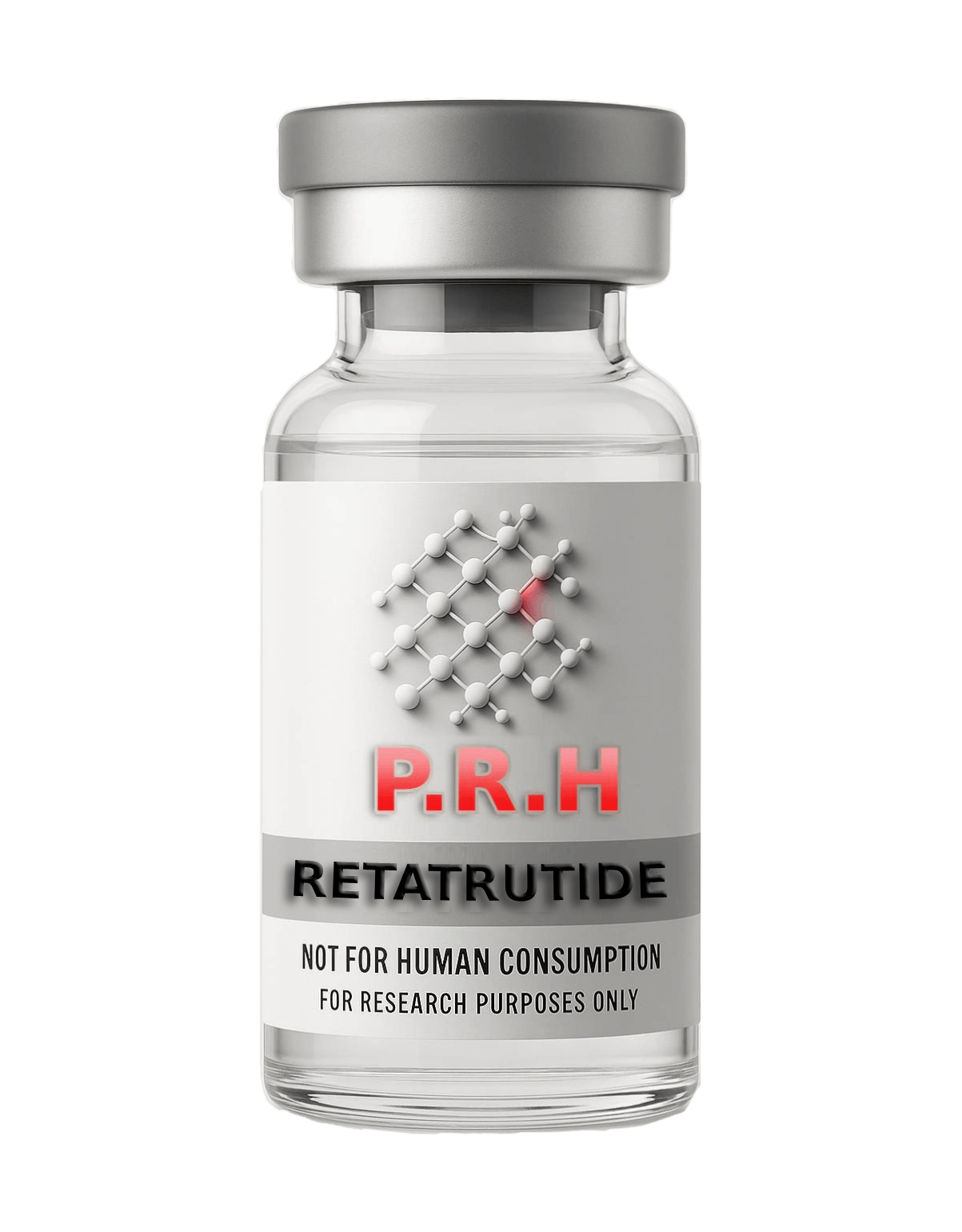
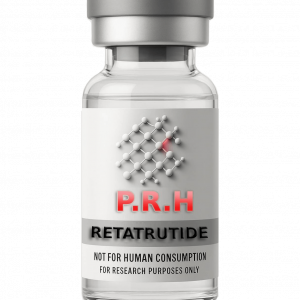
Retatrutide 30mg Peptide

$139.99 $83.99
✓ Save 40% — Discount Automatically Applied. No Coupon Needed.
Retatrutide 30mg Research Peptide
Retatrutide 30mg is a lyophilized research peptide investigated as a triple receptor agonist targeting the GLP-1, GIP, and glucagon receptors. It is commonly studied in laboratory models involving metabolism, body composition, energy expenditure, glucose regulation, appetite signaling, endocrine physiology, and metabolic pathway research.
Research Use Only. Not for human or veterinary use.
Retatrutide 30mg Peptide | Triple GLP-1, GIP & Glucagon Research Peptide | Peptide Research Hub
Retatrutide 30mg Peptide
Triple Receptor Research Peptide for Metabolic, Body Composition & GLP-1 Pathway Studies
What is Retatrutide 30mg?
Retatrutide 30mg is an investigational research peptide studied for its activity as a triple receptor agonist targeting the GLP-1 (glucagon-like peptide-1), GIP (glucose-dependent insulinotropic polypeptide), and glucagon receptors. Unlike earlier incretin research peptides that activate one or two receptor pathways, Retatrutide combines three complementary metabolic signaling systems into a single peptide for laboratory investigation. 0
Because of this triple agonist profile, Retatrutide has become one of the most widely studied investigational peptides in metabolic research. Experimental studies examine its role in body composition, energy expenditure, glucose regulation, appetite signaling, lipid metabolism, insulin sensitivity, and broader endocrine physiology. 1
The 30mg presentation provides researchers with a larger quantity for long-duration experiments, comparative studies, and laboratory investigations evaluating multiple metabolic signaling pathways within the same research model.
Reference:
Wikipedia – Retatrutide
Retatrutide Research Overview
Retatrutide has generated significant interest because it combines three receptor targets that each contribute unique biological effects. Researchers investigate how GLP-1 receptor activation, GIP receptor signaling, and glucagon receptor activity interact to influence metabolic physiology, endocrine regulation, energy utilization, and body composition. 2
Laboratory investigations frequently examine Retatrutide in experimental models involving metabolic adaptation, glucose homeostasis, insulin signaling, appetite regulation, fat metabolism, lipid utilization, energy expenditure, lean tissue preservation, and healthy aging research.
Because Retatrutide activates an additional receptor beyond dual agonists such as Tirzepatide, it has become a valuable compound for comparative investigations evaluating how triple-pathway activation differs from single- and dual-receptor approaches. 3
The 30mg format is especially useful for laboratories performing repeated experiments, larger research protocols, receptor comparison studies, or extended metabolic investigations.
Mechanism of Action & Research Pathways
Retatrutide is investigated because it simultaneously activates three separate receptor systems involved in metabolic regulation.
- GLP-1 receptor: commonly studied for appetite signaling, gastric emptying models, insulin response, and glucose regulation.
- GIP receptor: investigated for insulin signaling, nutrient utilization, lipid metabolism, and endocrine pathway interactions.
- Glucagon receptor: studied for its relationship to energy expenditure, fat oxidation, metabolic adaptation, and fuel utilization.
By combining all three pathways into one investigational peptide, Retatrutide provides researchers with an opportunity to examine complex metabolic signaling that cannot be evaluated using single-receptor compounds alone. This unique pharmacology is one of the reasons Retatrutide has become a major focus of current obesity and metabolic research. 4
Retatrutide 30mg Research Applications
- Triple receptor agonist research
- GLP-1 receptor pathway investigations
- GIP receptor signaling studies
- Glucagon receptor pathway research
- Body composition and metabolic adaptation models
- Energy expenditure and fat metabolism research
- Insulin sensitivity and glucose regulation studies
- Appetite signaling and satiety pathway research
- Healthy aging and metabolic health investigations
- Comparative incretin peptide research
Retatrutide vs. Tirzepatide
Retatrutide and Tirzepatide are frequently compared because both belong to the newer generation of incretin research peptides. The primary difference is that Tirzepatide activates two receptor pathways (GLP-1 and GIP), while Retatrutide activates three receptor pathways (GLP-1, GIP, and glucagon). This additional glucagon receptor activity has made Retatrutide an important compound for research involving energy expenditure and metabolic regulation. 0
Researchers commonly compare both peptides in laboratory models involving body composition, glucose homeostasis, endocrine signaling, lipid metabolism, appetite regulation, and metabolic adaptation.
Retatrutide vs. Semaglutide
Semaglutide is primarily investigated as a GLP-1 receptor agonist, whereas Retatrutide combines GLP-1, GIP, and glucagon receptor agonism. This broader receptor profile allows researchers to study multiple metabolic signaling systems simultaneously and compare single-pathway activity with triple-pathway activation. 1
Comparative laboratory studies often focus on metabolic signaling, insulin response, body composition, energy expenditure, appetite regulation, and receptor interaction.
Why Choose Peptide Research Hub?
- Research-focused peptide products
- Clearly labeled compounds with transparent specifications
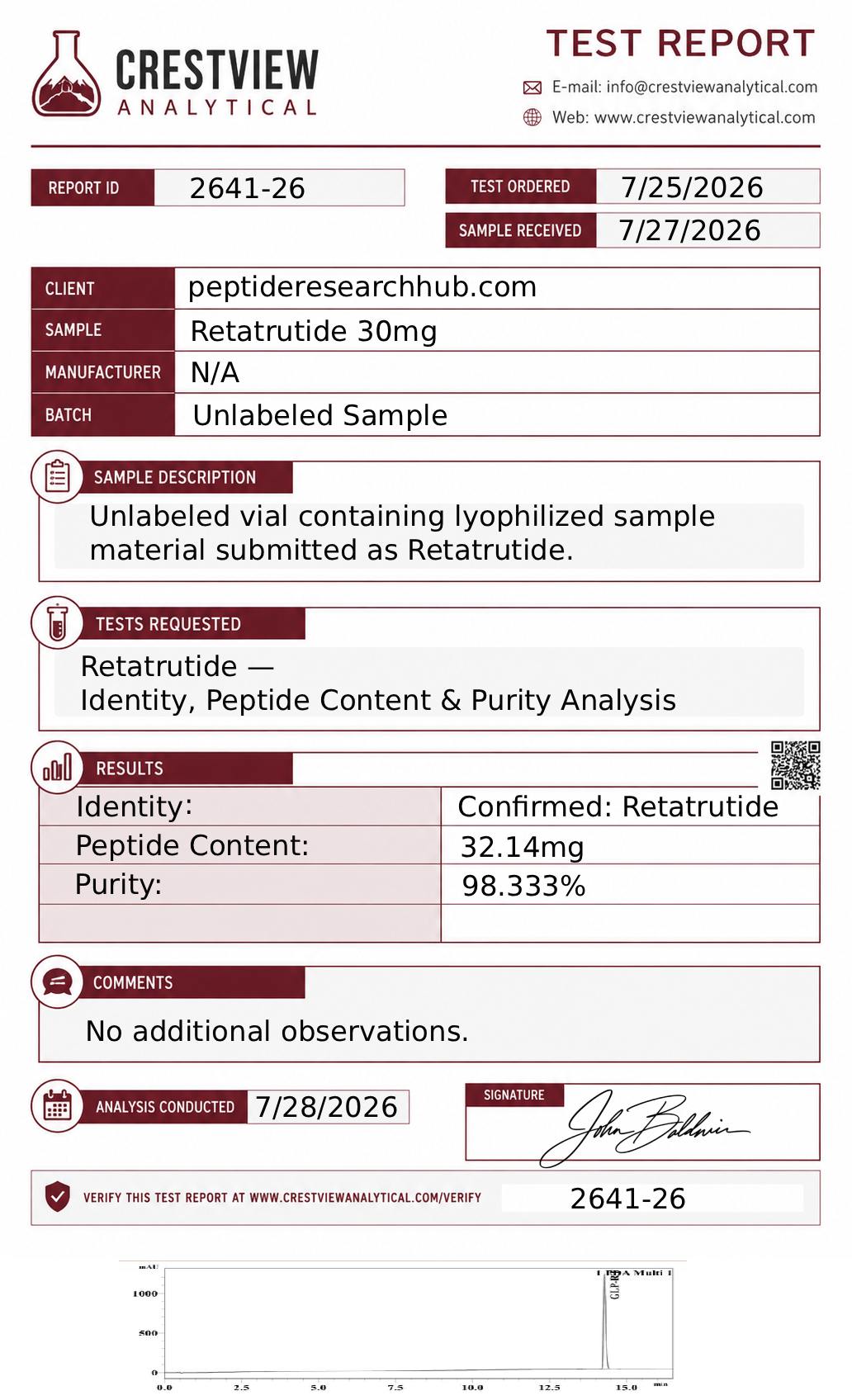
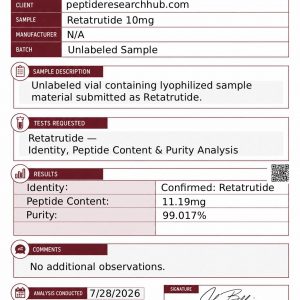
- Third-party testing available for applicable products
- Fast order processing and dependable fulfillment
- Responsive customer support
- Research-focused product information for laboratory investigators
Researchers can review available analytical reports on our
Third-Party Testing
page.
Product Specifications
- Product: Retatrutide 30mg Peptide
- Compound: Retatrutide
- Quantity: 30mg per vial
- Form: Lyophilized powder
- Appearance: White to off-white powder
- Category: Triple receptor research peptide
- Research Focus: GLP-1, GIP, glucagon receptor signaling, body composition, metabolism, and endocrine research
- Use: Laboratory research only
Storage & Handling
Store Retatrutide 30mg according to standard laboratory procedures for lyophilized peptides. Protect the material from excessive heat, moisture, and direct light. Proper laboratory storage helps maintain peptide integrity for controlled research applications.
Frequently Asked Questions
What is Retatrutide 30mg?
Retatrutide 30mg is an investigational triple receptor agonist research peptide studied for GLP-1, GIP, and glucagon receptor activity.
Why is Retatrutide different from Tirzepatide?
Retatrutide activates three receptor pathways, while Tirzepatide activates two, allowing researchers to investigate broader metabolic signaling. 2
What research areas commonly study Retatrutide?
Body composition, metabolism, energy expenditure, appetite signaling, glucose regulation, endocrine physiology, and receptor signaling research.
Is Retatrutide supplied as a lyophilized powder?
Yes. This product is supplied as a lyophilized research peptide.
Is Retatrutide intended for human use?
No. Retatrutide 30mg is intended strictly for laboratory research and analytical applications. It is not intended for human or veterinary use.
Related Metabolic Research Peptides
Research Use Only: Retatrutide 30mg is intended strictly for laboratory research and analytical applications. Not for human or veterinary use.
Be the first to review “Retatrutide 30mg Peptide”
Related products

Peptides
✓ Save 40% — Discount Automatically Applied. No Coupon Needed.

Peptides
✓ Save 40% — Discount Automatically Applied. No Coupon Needed.
Peptides
✓ Save 40% — Discount Automatically Applied. No Coupon Needed.

Peptides
✓ Save 40% — Discount Automatically Applied. No Coupon Needed.

Deals of the Week
✓ Save 40% — Discount Automatically Applied. No Coupon Needed.

Peptides
✓ Save 40% — Discount Automatically Applied. No Coupon Needed.
Peptides
✓ Save 40% — Discount Automatically Applied. No Coupon Needed.
Reviews
There are no reviews yet.