

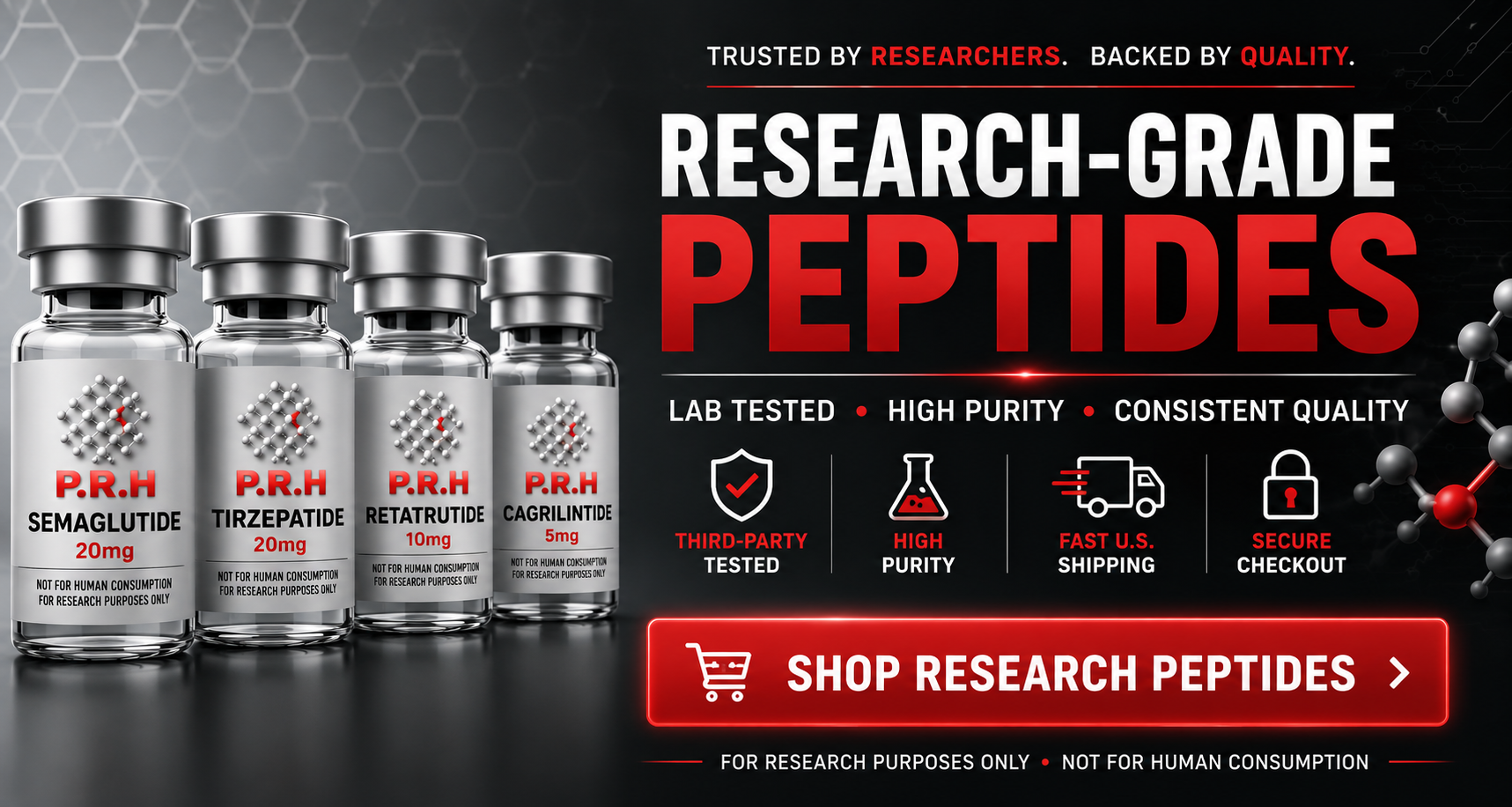

IGF-1 Lr3 1mg Peptide


$69.99 $41.99
✓ Save 40% — Discount Automatically Applied. No Coupon Needed.
IGF-1 LR3 1mg Research Peptide
Lyophilized IGF-1 LR3 1mg peptide for laboratory research involving muscle growth, protein synthesis, cellular proliferation, recovery pathways, and metabolic signaling.
Research Use Only. Not for human or veterinary use.
IGF-1 LR3 1mg Peptide | Muscle Growth & Cellular Research Peptide | Peptide Research Hub
IGF-1 LR3 1mg Peptide
Lyophilized IGF-1 LR3 Research Peptide for Muscle Growth, Protein Synthesis, Cellular & Metabolic Research
What is IGF-1 LR3 1mg?
IGF-1 LR3 1mg is a modified research analog of insulin-like growth factor 1 (IGF-1). The compound is commonly studied in laboratory models involving muscle growth, protein synthesis, cellular proliferation, tissue development, glucose metabolism, and recovery-related pathways.
IGF-1 LR3 is structurally modified compared with naturally occurring IGF-1. LR3 refers to Long R3, reflecting modifications designed to alter the molecule’s biological characteristics and interaction with IGF-binding proteins.
These properties have made IGF-1 LR3 peptide particularly interesting for research involving skeletal muscle cells, anabolic signaling, cellular growth, nutrient metabolism, tissue response, and regenerative biology.
The 1mg lyophilized format provides researchers with IGF-1 LR3 for controlled laboratory experiments and analytical applications.
IGF-1 LR3 Muscle Growth & Cellular Research
One of the most recognized areas of IGF-1 LR3 research involves skeletal muscle and muscle growth pathways. IGF-related signaling plays an important role in cellular growth and protein metabolism, making IGF-1 LR3 useful in laboratory models examining muscle-cell development and anabolic signaling.
Researchers may investigate IGF-1 LR3 in models involving protein synthesis, muscle-cell proliferation, muscle tissue response, nutrient utilization, and recovery following experimental tissue stress.
IGF-1 signaling is also closely connected with cellular proliferation and differentiation. For this reason, IGF-1 LR3 research extends beyond muscle biology into broader studies involving cellular growth, tissue development, regeneration, and metabolic signaling.
Another important research area involves glucose and nutrient metabolism. IGF-related pathways interact with several metabolic systems, allowing researchers to examine relationships between growth signaling, glucose utilization, cellular energy, and nutrient availability.
Together, these areas make IGF-1 LR3 a widely recognized research peptide for investigating muscle biology, cellular development, recovery pathways, and metabolic signaling.
How IGF-1 LR3 Works in Research Models
IGF-1 LR3 is primarily studied through its interaction with the IGF-1 receptor. Activation of this receptor can initiate intracellular signaling pathways associated with cellular growth, proliferation, survival, protein synthesis, and metabolic regulation.
Two major signaling systems commonly examined in IGF-related research include the PI3K/Akt pathway and MAPK-related pathways. These signaling networks participate in processes involving protein metabolism, cellular development, tissue growth, and cellular response.
In skeletal muscle research, these mechanisms are particularly relevant when studying muscle-cell growth, protein synthesis, tissue development, and recovery-related biological processes.
The modified structure of IGF-1 LR3 also makes it useful for comparative research examining differences between naturally occurring IGF-1 and modified IGF-related compounds.
IGF-1 LR3 1mg Research Applications
- Muscle growth and skeletal muscle research
- Muscle-cell proliferation studies
- Protein synthesis and protein metabolism research
- Anabolic signaling pathway investigations
- Muscle recovery and tissue response models
- Cellular growth and proliferation research
- Cell differentiation studies
- IGF-1 receptor signaling research
- Glucose and nutrient metabolism studies
- Regenerative and tissue-development research
- Cellular energy and metabolic signaling models
- Comparative IGF peptide research
IGF-1 LR3 in Muscle & Recovery Research
IGF-related signaling is an important area of skeletal muscle research because these pathways participate in muscle-cell development, protein metabolism, and tissue adaptation.
Laboratory models involving IGF-1 LR3 may examine changes in muscle-cell signaling, protein synthesis pathways, cellular proliferation, and tissue response under controlled experimental conditions.
Researchers are also interested in how growth-related signaling interacts with recovery processes following experimentally induced tissue stress. These studies can help investigate the relationship between cellular growth signals, muscle tissue response, nutrient metabolism, and regenerative processes.
Because IGF-1 LR3 interacts with a different biological pathway than peptides such as BPC-157 or TB-500, these compounds may also be useful in comparative research examining different aspects of muscle and tissue biology.
Why Choose Peptide Research Hub?
- Research-focused peptide products
- Quality-focused sourcing and handling standards
- Clear compound and vial labeling
- Third-party testing information available for applicable products
- Fast order processing and reliable fulfillment
- Responsive customer support
Researchers can review available analytical information on our
Third-Party Testing page.
IGF-1 LR3 1mg Product Specifications
- Product: IGF-1 LR3 1mg Peptide
- Compound: Long R3 IGF-1
- Quantity: 1mg per vial
- Form: Lyophilized powder
- Category: Research peptide
- Research Focus: Muscle growth, protein synthesis, cellular proliferation, tissue development and metabolic signaling
- Use: Laboratory research only
Storage & Handling
IGF-1 LR3 1mg should be stored according to appropriate laboratory procedures for lyophilized research peptides. Protect the material from excessive heat, moisture, and direct light.
Proper laboratory storage and handling help maintain peptide integrity and consistency for controlled research applications.
IGF-1 LR3 1mg Frequently Asked Questions
What is IGF-1 LR3?
IGF-1 LR3 is a modified analog of insulin-like growth factor 1 studied in laboratory models involving muscle growth, protein synthesis, cellular proliferation, tissue development, and metabolic signaling.
What does LR3 mean in IGF-1 LR3?
LR3 refers to Long R3, describing structural modifications that distinguish IGF-1 LR3 from naturally occurring IGF-1 and alter its biological characteristics.
Is IGF-1 LR3 studied for muscle growth?
Yes. Muscle biology is a major area of IGF-related research. Laboratory studies may investigate IGF-1 LR3 in relation to skeletal muscle cells, protein synthesis, anabolic signaling, muscle-cell proliferation, and tissue development.
Is IGF-1 LR3 researched for muscle recovery?
IGF-related signaling may be investigated in experimental models involving muscle tissue response, cellular recovery, protein metabolism, and regenerative processes following controlled tissue stress.
What receptor does IGF-1 LR3 interact with?
IGF-1 LR3 is primarily studied for its interaction with the IGF-1 receptor and the downstream cellular signaling pathways associated with that receptor.
Is IGF-1 LR3 1mg supplied as a lyophilized powder?
Yes. This IGF-1 LR3 1mg research peptide is supplied in lyophilized form for laboratory research.
Is IGF-1 LR3 intended for human use?
No. IGF-1 LR3 1mg is intended strictly for laboratory research and analytical applications. It is not intended for human or veterinary use.
Related Muscle & Recovery Research Peptides
Researchers investigating IGF-1 LR3 may also be interested in peptides studied for muscle tissue, recovery, regenerative signaling, and related biological pathways.
Be the first to review “IGF-1 Lr3 1mg Peptide”
Related products

Peptides
✓ Save 40% — Discount Automatically Applied. No Coupon Needed.

Peptides
✓ Save 40% — Discount Automatically Applied. No Coupon Needed.
Peptides
✓ Save 40% — Discount Automatically Applied. No Coupon Needed.

✓ Save 40% — Discount Automatically Applied. No Coupon Needed.
Peptides
✓ Save 40% — Discount Automatically Applied. No Coupon Needed.

Peptides
✓ Save 40% — Discount Automatically Applied. No Coupon Needed.

Deals of the Week
✓ Save 40% — Discount Automatically Applied. No Coupon Needed.
Reviews
There are no reviews yet.