

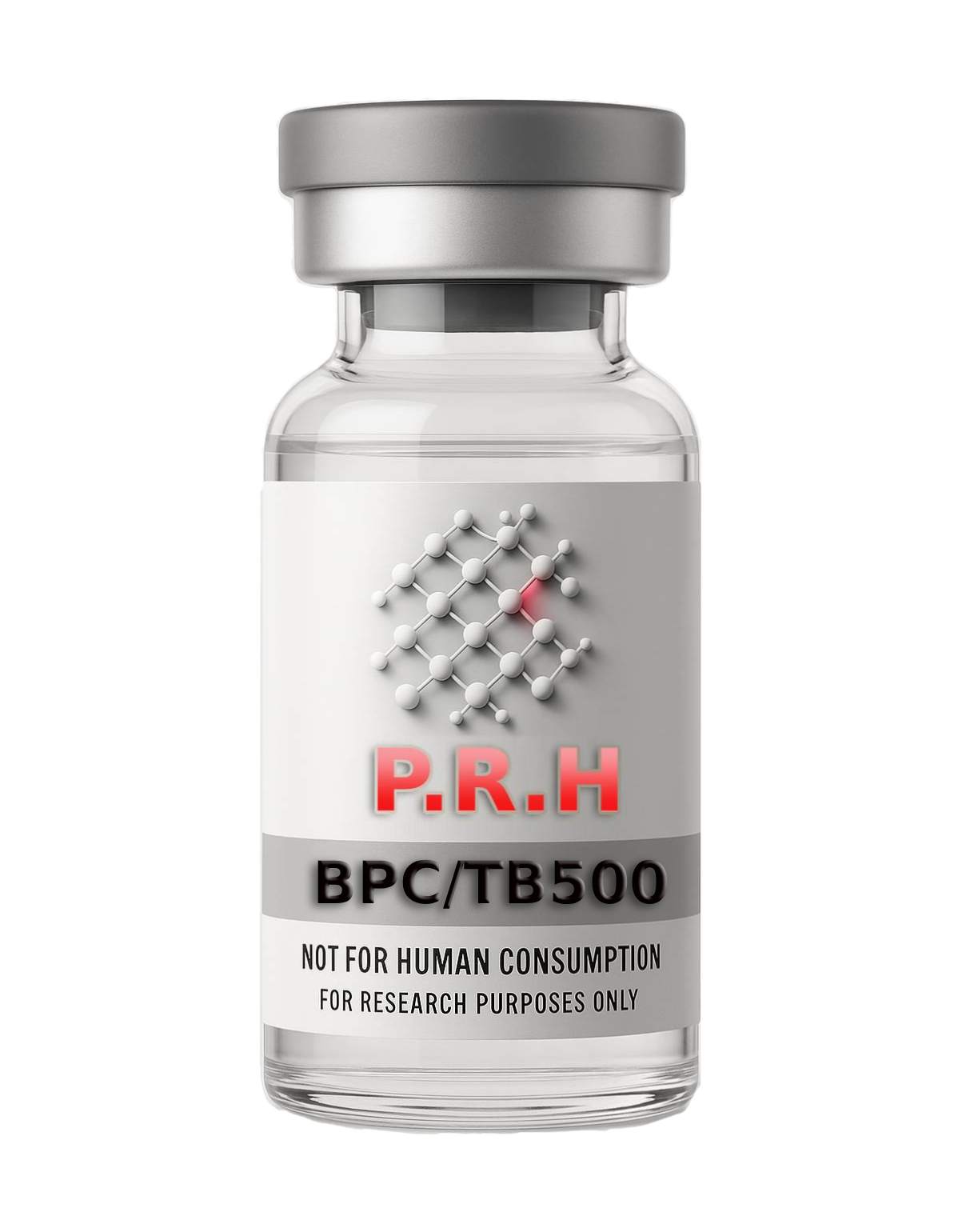
BPC-157 5mg + TB-500 5mg Peptide Blend (10mg Total)

$39.99 $23.99
✓ Save 40% — Discount Automatically Applied. No Coupon Needed.
• 5 mg each per vial (10mg total blend)
• ≥99% purity | U.S. manufactured | Trusted by PRH
BPC-157 5mg + TB-500 5mg Peptide Blend (10mg Total) | Research Peptide Blend | Peptide Research Hub
BPC-157 5mg + TB-500 5mg Peptide Blend (10mg Total)
Research Peptide Blend for Regeneration, Angiogenesis, and Tissue Response Studies
What is BPC-157 + TB-500 Blend?
The BPC-157 5mg + TB-500 5mg peptide blend is a dual-compound research formulation containing 10mg total peptide content per vial. This blend combines two widely studied peptides, BPC-157 and TB-500, in equal 5mg concentrations for laboratory research focused on tissue response, cellular migration, angiogenesis, inflammatory signaling, and regenerative models.
BPC-157, also known as Body Protection Compound-157, is a synthetic pentadecapeptide studied in relation to soft tissue models, tendon and ligament research, gastrointestinal tissue response, vascular signaling, nitric oxide pathways, and cellular protection mechanisms.
TB-500 is a synthetic research peptide related to Thymosin Beta-4, a naturally occurring protein associated with actin regulation, cell migration, angiogenesis, tissue remodeling, and wound-response research. In laboratory settings, TB-500 is frequently evaluated for its role in cellular movement and structural repair models.
When studied together, BPC-157 and TB-500 may provide researchers with a broader model for examining overlapping pathways involved in tissue remodeling, vascular response, inflammatory regulation, and regenerative peptide research.
Research Overview
BPC-157 and TB-500 are commonly discussed in regenerative research because both compounds are associated with biological pathways involved in tissue response and structural repair. While each peptide is studied independently, the BPC-157 TB-500 blend is often used in research settings where investigators want to examine complementary activity across multiple tissue-response pathways.
BPC-157 has been studied in models involving tendon tissue, ligament tissue, muscle tissue, gastrointestinal tissue, vascular signaling, and inflammatory response. Research has examined its relationship with angiogenesis, nitric oxide modulation, fibroblast activity, collagen organization, and soft tissue remodeling.
TB-500 is frequently studied for its connection to actin-binding activity, cell migration, endothelial cell behavior, and angiogenic signaling. These mechanisms make TB-500 relevant in models involving wound-response pathways, tissue structure, vascular formation, and cellular movement.
The combination of BPC-157 and TB-500 may be especially useful in laboratory research involving tendon and ligament models, soft tissue response, cellular migration, angiogenesis, inflammatory signaling, and tissue regeneration pathways. Because the blend contains 5mg of each peptide, researchers can evaluate both compounds together within a single lyophilized vial.
This BPC-157 5mg + TB-500 5mg blend is intended strictly for laboratory and research use. It is not intended for human use, veterinary use, medical use, diagnostic use, or therapeutic application.
Mechanism of Action
BPC-157 is commonly studied for its relationship with angiogenesis, nitric oxide signaling, growth-factor activity, fibroblast behavior, and tissue remodeling. In research models, it has been evaluated for its potential influence on vascular response, collagen organization, cellular protection, and inflammatory pathway regulation.
TB-500 is studied for its relationship with actin regulation, cellular migration, endothelial cell movement, and angiogenic response. These pathways are important in research models involving tissue structure, wound response, and regenerative signaling.
Together, BPC-157 and TB-500 provide a research model that may support investigation into overlapping regenerative pathways, including cell migration, blood vessel formation, inflammatory signaling, extracellular matrix response, and soft tissue remodeling.
Research Applications
- Soft tissue repair and regeneration research
- Tendon, ligament, and muscle tissue models
- Angiogenesis and vascular-response studies
- Cellular migration and wound-response research
- Inflammatory signaling and cytokine-response models
- Gastrointestinal tissue-response research
- Collagen organization and extracellular matrix studies
- Regenerative peptide blend research
Why Choose Peptide Research Hub?
- High-purity lyophilized research peptides
- Quality-focused sourcing and handling standards
- Reliable domestic shipping within the USA
- Research-focused product descriptions and transparent labeling
- Trusted support for research supply orders
Product Specifications
- Product Name: BPC-157 5mg + TB-500 5mg Peptide Blend
- Total Peptide Content: 10mg per vial
- Concentration: 5mg BPC-157 + 5mg TB-500
- Form: Lyophilized powder
- Appearance: White to off-white powder
- Storage: Store frozen or refrigerated in a dry, dark environment
- Category: Research peptide blend
- Use: Laboratory research only
Storage and Handling
Store this BPC-157 TB-500 blend in a cool, dry, and dark environment. For long-term storage, refrigeration or freezing is recommended. Once reconstituted for research purposes, the material should be handled according to appropriate laboratory protocols and stored under refrigerated conditions.
Avoid repeated freeze-thaw cycles, excessive heat exposure, moisture, and direct light. Proper storage helps maintain peptide integrity for controlled research applications.
Frequently Asked Questions
What is BPC-157 TB-500 Blend?
BPC-157 TB-500 Blend is a research peptide combination containing BPC-157 and TB-500 in one vial. This product includes 5mg of BPC-157 and 5mg of TB-500, for 10mg total peptide content.
What is the difference between BPC-157 and TB-500?
BPC-157 is commonly studied in relation to tissue response, vascular signaling, gastrointestinal models, and inflammatory pathways. TB-500 is commonly studied for cellular migration, actin regulation, angiogenesis, and tissue remodeling research.
Why are BPC-157 and TB-500 studied together?
Researchers may study BPC-157 and TB-500 together because both compounds are associated with tissue-response pathways, but they are studied through different mechanisms. This makes the blend useful for research involving overlapping regenerative and cellular-response models.
What concentration is included in this peptide blend?
This vial contains 5mg of BPC-157 and 5mg of TB-500, for a total of 10mg lyophilized peptide blend per vial.
Is this BPC-157 TB-500 blend lyophilized?
Yes. This research peptide blend is supplied as a lyophilized powder for laboratory research use.
How should BPC-157 and TB-500 be stored?
The blend should be stored in a cool, dry, dark environment. Refrigerated or frozen storage is recommended for maintaining peptide integrity before research use.
What research areas commonly involve BPC-157 and TB-500?
Common research areas include tissue remodeling, cellular migration, angiogenesis, tendon and ligament models, soft tissue response, inflammatory signaling, and regenerative peptide research.
Is this product intended for human use?
No. This product is intended strictly for laboratory research use only. It is not for human use, veterinary use, medical use, diagnostic use, or therapeutic application.
Related Research Peptides
Be the first to review “BPC-157 5mg + TB-500 5mg Peptide Blend (10mg Total)”
Related products

Peptides
✓ Save 40% — Discount Automatically Applied. No Coupon Needed.
Peptides
✓ Save 40% — Discount Automatically Applied. No Coupon Needed.
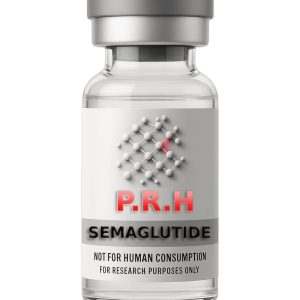
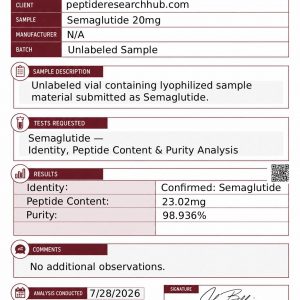
Peptides
✓ Save 40% — Discount Automatically Applied. No Coupon Needed.
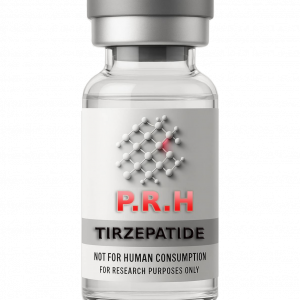
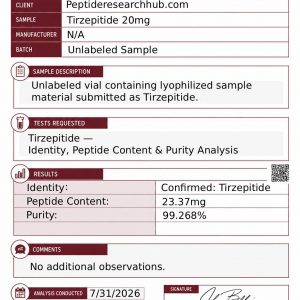
Peptides
✓ Save 40% — Discount Automatically Applied. No Coupon Needed.

Deals of the Week
✓ Save 40% — Discount Automatically Applied. No Coupon Needed.
Peptides
✓ Save 40% — Discount Automatically Applied. No Coupon Needed.
✓ Save 40% — Discount Automatically Applied. No Coupon Needed.
Reviews
There are no reviews yet.